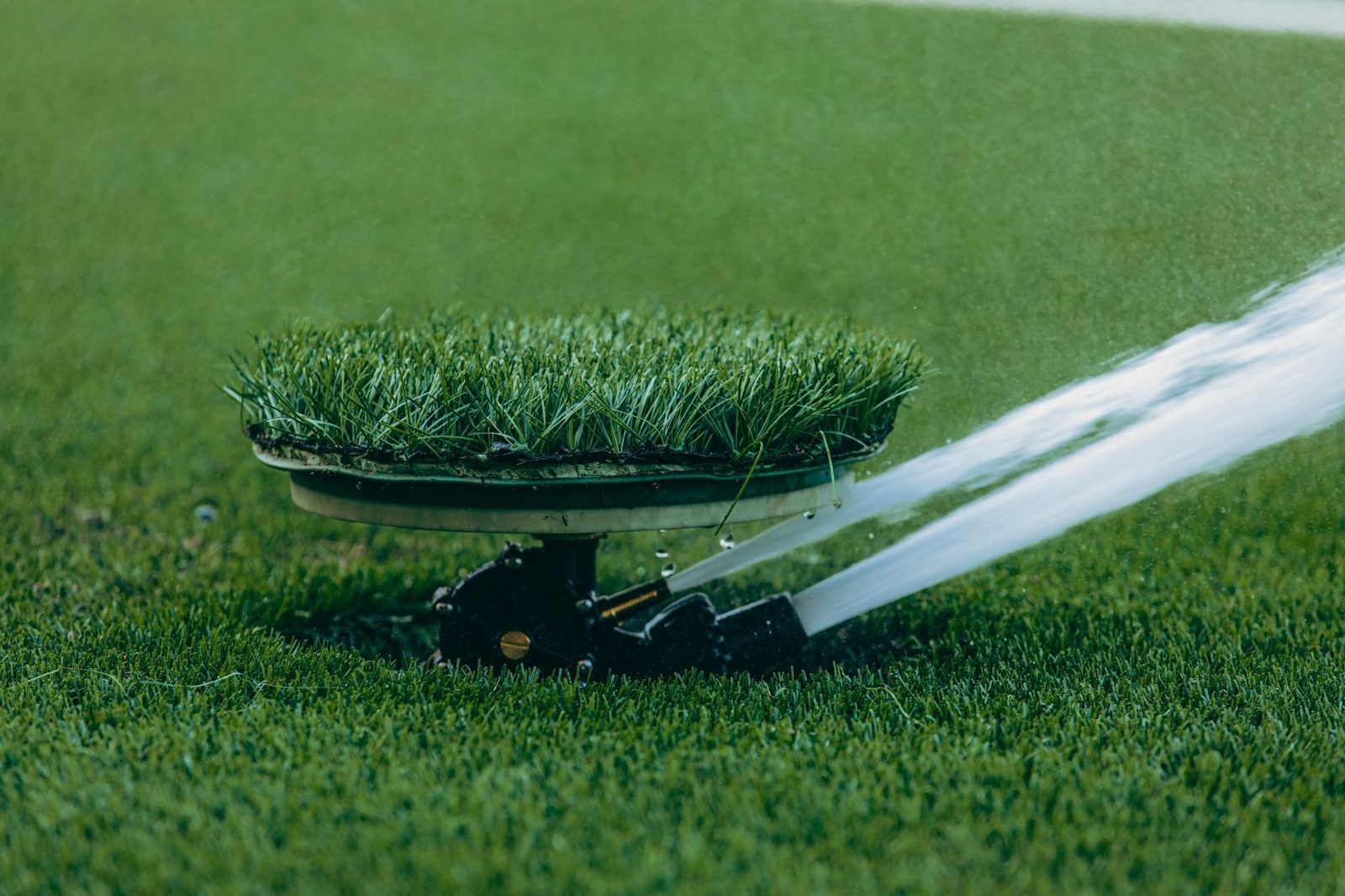
Water left in your irrigation lines freezes, expands, and cracks pipes, valves and heads — a skipped fall chore that becomes a spring repair bill. Here’s how to shut down, drain or blow out the system safely, and protect what stays outside.
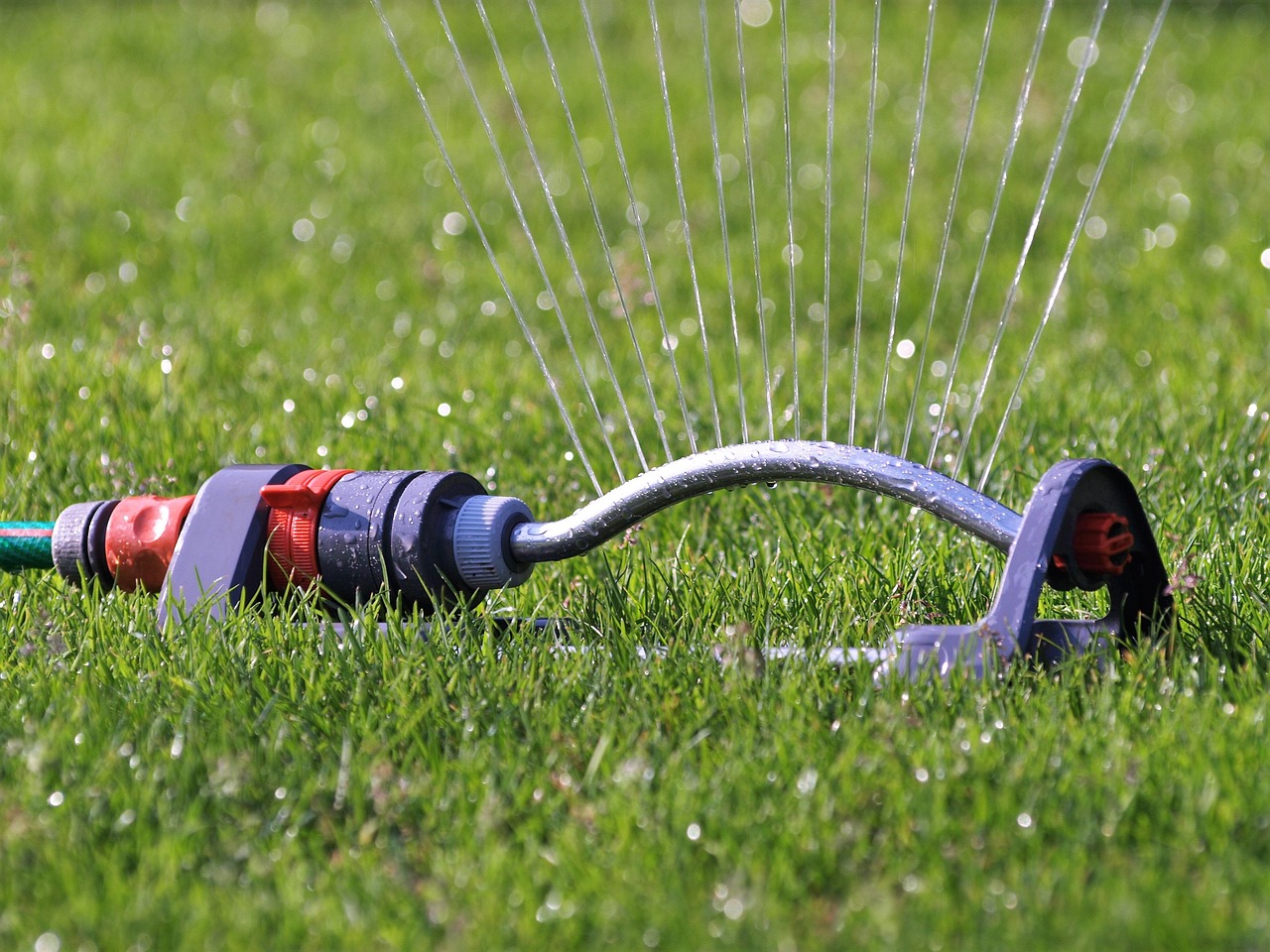
Why sprinklers must be winterized
An in-ground irrigation system is full of water sitting in shallow pipes, valves, and sprinkler heads — and every bit of it freezes and expands once the ground does. That cracks PVC lines, splits valve bodies, and ruins sprinkler heads, turning a skipped fall chore into a spring repair bill. In any climate that sees a hard freeze, winterizing before the first one is not optional. Aim for late fall, before the first sustained freeze.

Shut it down the right way
Start by closing the main irrigation shut-off valve (usually near where the system taps your water line) and setting the controller/timer to “rain” or off so it doesn’t keep trying to run all winter. Insulate the exposed backflow preventer and any above-ground piping with foam and tape. Now you’re ready to get the water out — which is the step that actually protects the system.
As an Amazon Associate, Clearly earns from qualifying purchases — at no extra cost to you.
Get the water out (drain or blow out)
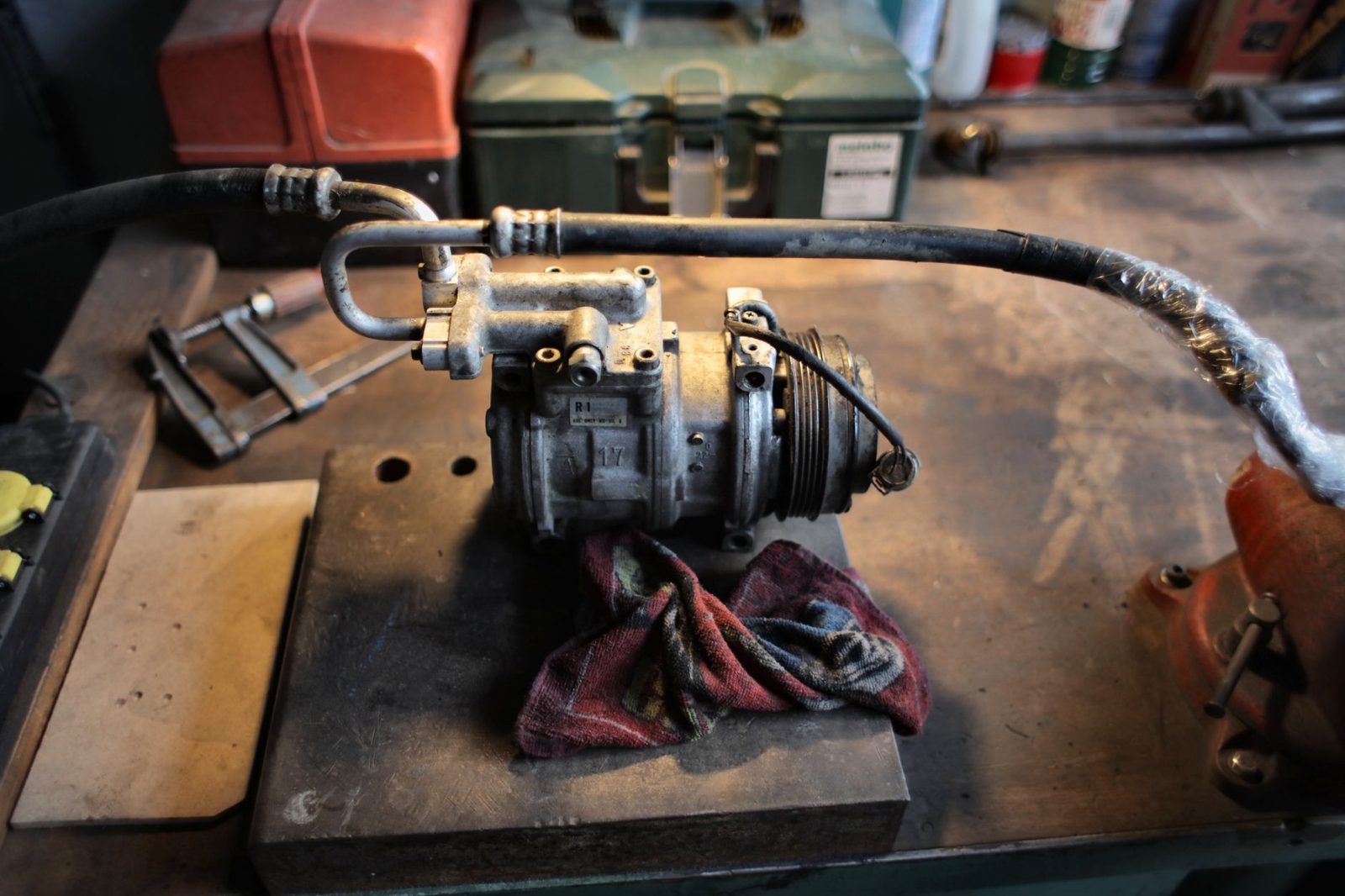
Three ways to clear the lines. Manual drain: open the valves at the low points and let gravity do it (only works if your system was built with them). Automatic drain: the valves open themselves when pressure drops. The most thorough is the blow-out method — pushing the water out with an air compressor. The catch: too much pressure destroys heads and pipe. Stay under ~50 PSI for poly pipe and ~80 PSI for PVC, one zone at a time. If you’re not sure, this is the one step worth a pro — an over-pressured blow-out does real damage.
As an Amazon Associate, Clearly earns from qualifying purchases — at no extra cost to you.
Protect the parts that stay outside
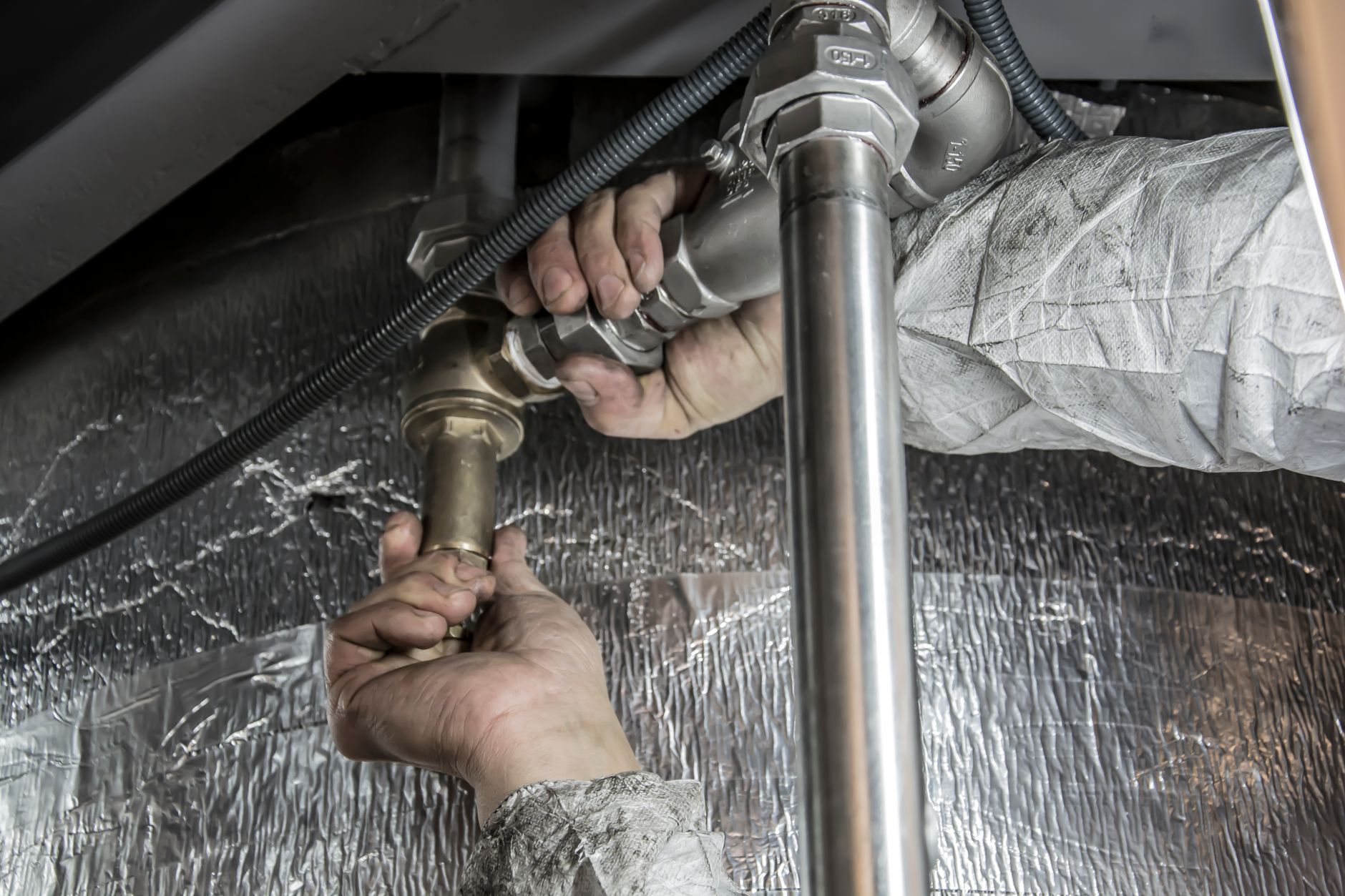
Once the water’s out, protect what remains exposed: wrap the backflow preventer and above-ground valves in insulation tape or foam covers, and drop insulated covers over any exposed heads if your system has them. Snap a photo of your controller schedule before you shut it down so spring startup is a two-minute job. Then leave it alone until the ground thaws.
Don’t forget the rest of the yard water
Roll winterizing into one pass: disconnect and drain every garden hose (store them coiled indoors so they don’t crack), shut off and drain the outdoor spigots, empty and flip any rain barrels, and drain a pond pump or outdoor fountain. It’s the same freeze physics as your pipes — and the same cheap prevention. Fifteen extra minutes now saves a fistful of spring replacements.
See our frozen-pipe prevention guide and fall leaf cleanup to close out the yard for the year.
More home & yard tips
Practical, seasonal how-tos — and free calculators for every project.