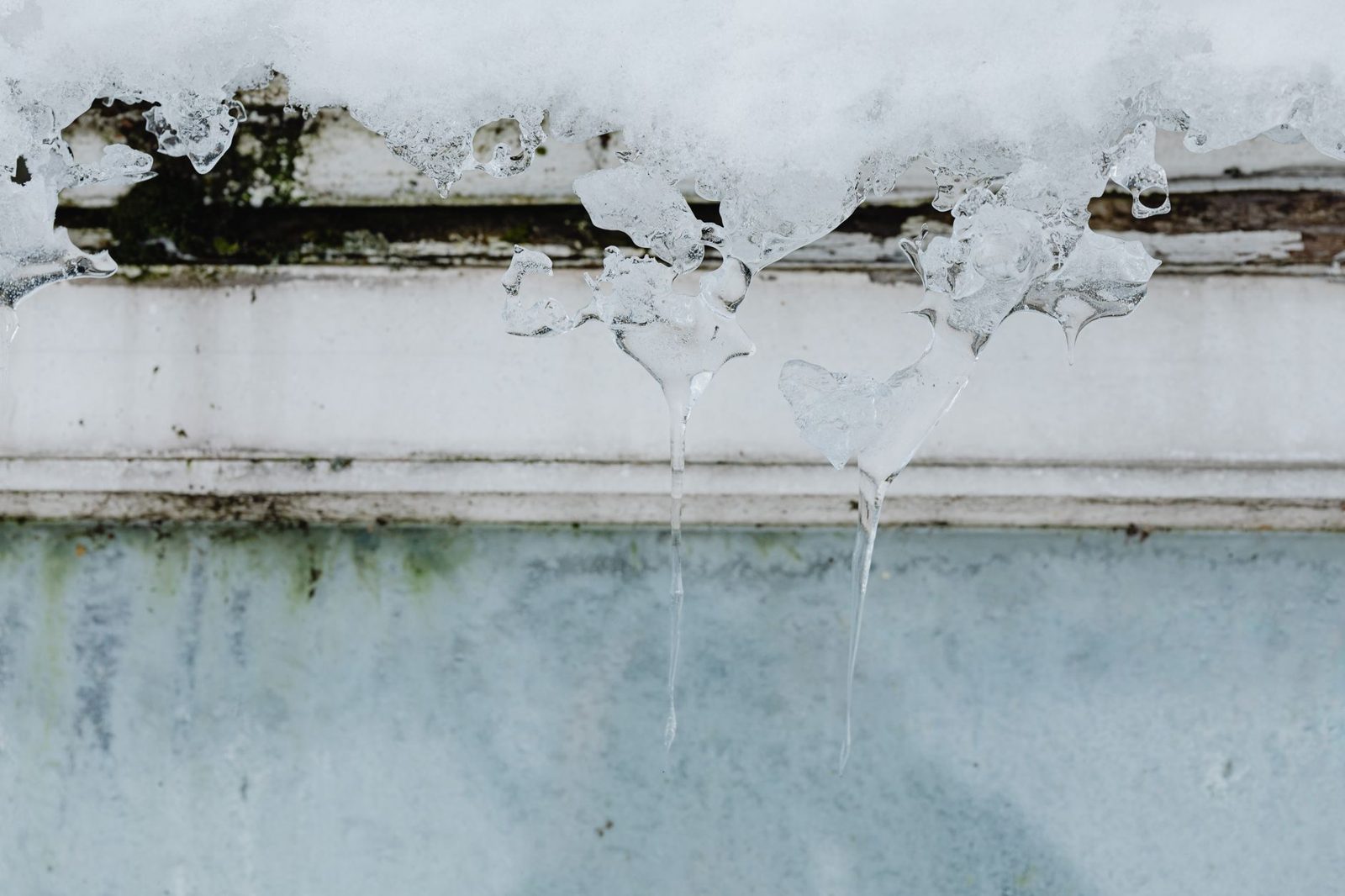
A burst pipe is one of winter’s most expensive surprises — and one of the most preventable. Here’s which pipes freeze first, the ten-minute jobs to do before the first hard freeze, and how to thaw a frozen pipe without making it worse.
Know which pipes freeze first
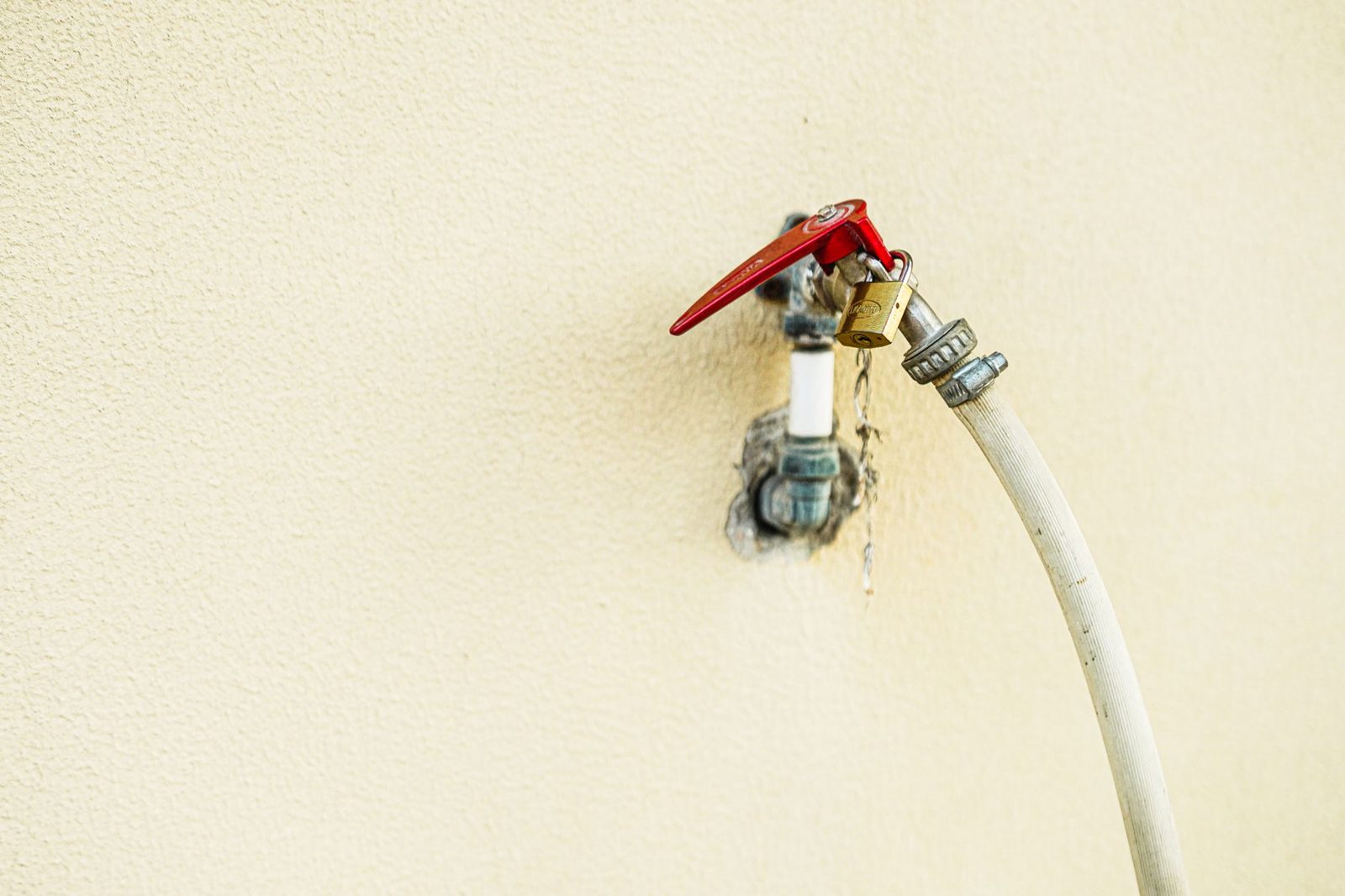
Burst pipes are one of the most expensive things winter does to a house — a single break can dump hundreds of gallons before you catch it. The vulnerable ones are predictable: outdoor spigots, and any pipe running through an unheated space — garages, crawlspaces, attics, and exterior walls. Water expands as it freezes, so the pressure that bursts the pipe often builds between the ice blockage and a closed faucet. Handle these before the first hard freeze.
Do this before the first freeze
The single most important step: disconnect and drain every garden hose and shut off the interior valve feeding each outdoor spigot, then open the spigot to drain it. A hose left connected traps water in the bib and is the #1 cause of a burst outdoor faucet. Add an insulated faucet cover over each one. Inside, know where your main water shutoff is — if a pipe does burst, killing the water in ten seconds is the difference between a mop and a claim.
As an Amazon Associate, Clearly earns from qualifying purchases — at no extra cost to you.
Insulate the exposed runs
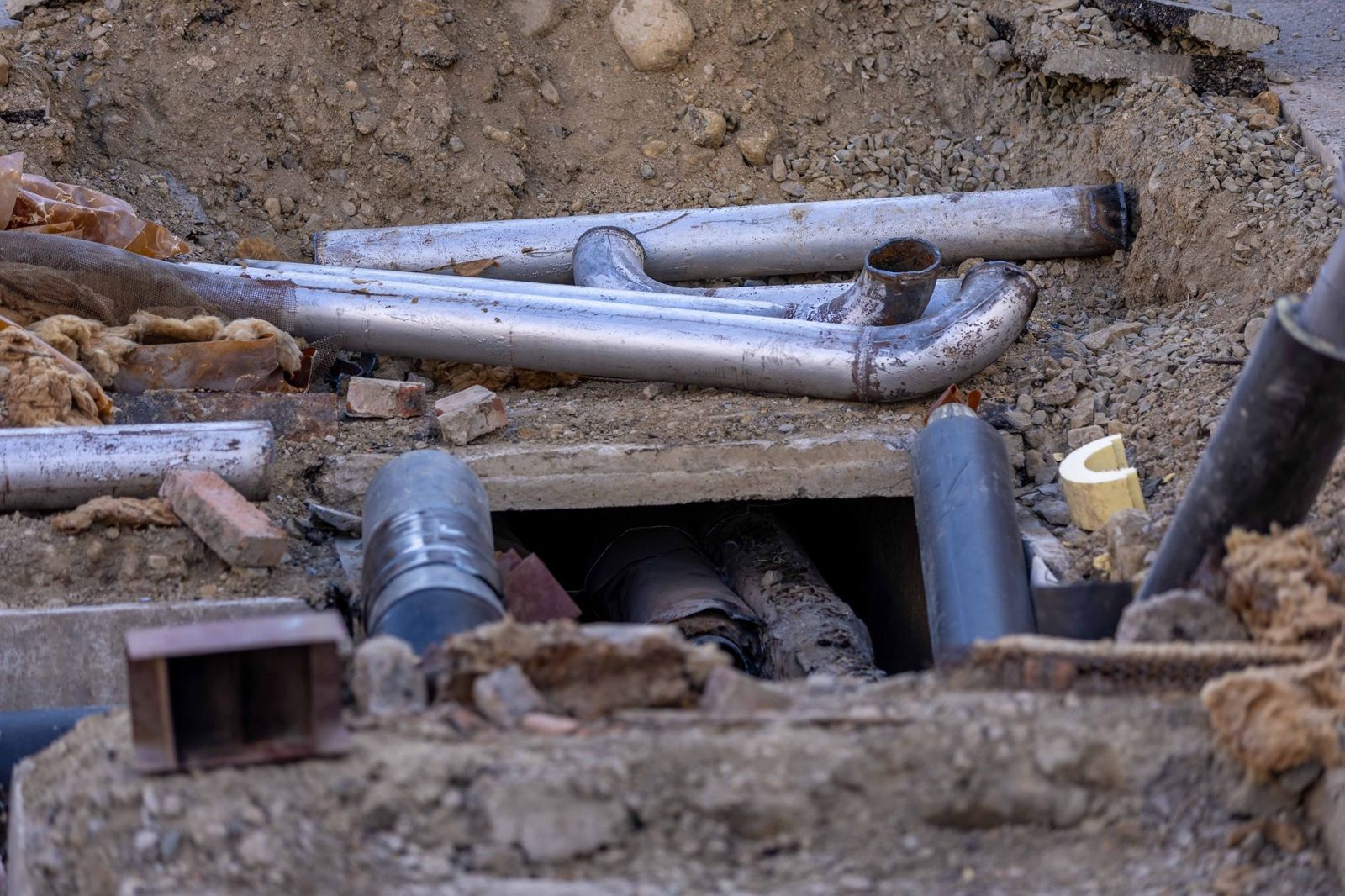
Any pipe you can see in an unheated area should be wearing a foam pipe-insulation sleeve — they slip on, cut with scissors, and cost a few dollars per length. For the highest-risk spots (a pipe against an exterior wall that's frozen before), add self-regulating heat tape, which warms only when it's cold. Seal the air leaks near pipes too — a bit of caulk or spray foam where cold air pours in over a pipe does as much as the insulation.
As an Amazon Associate, Clearly earns from qualifying purchases — at no extra cost to you.
On the coldest nights
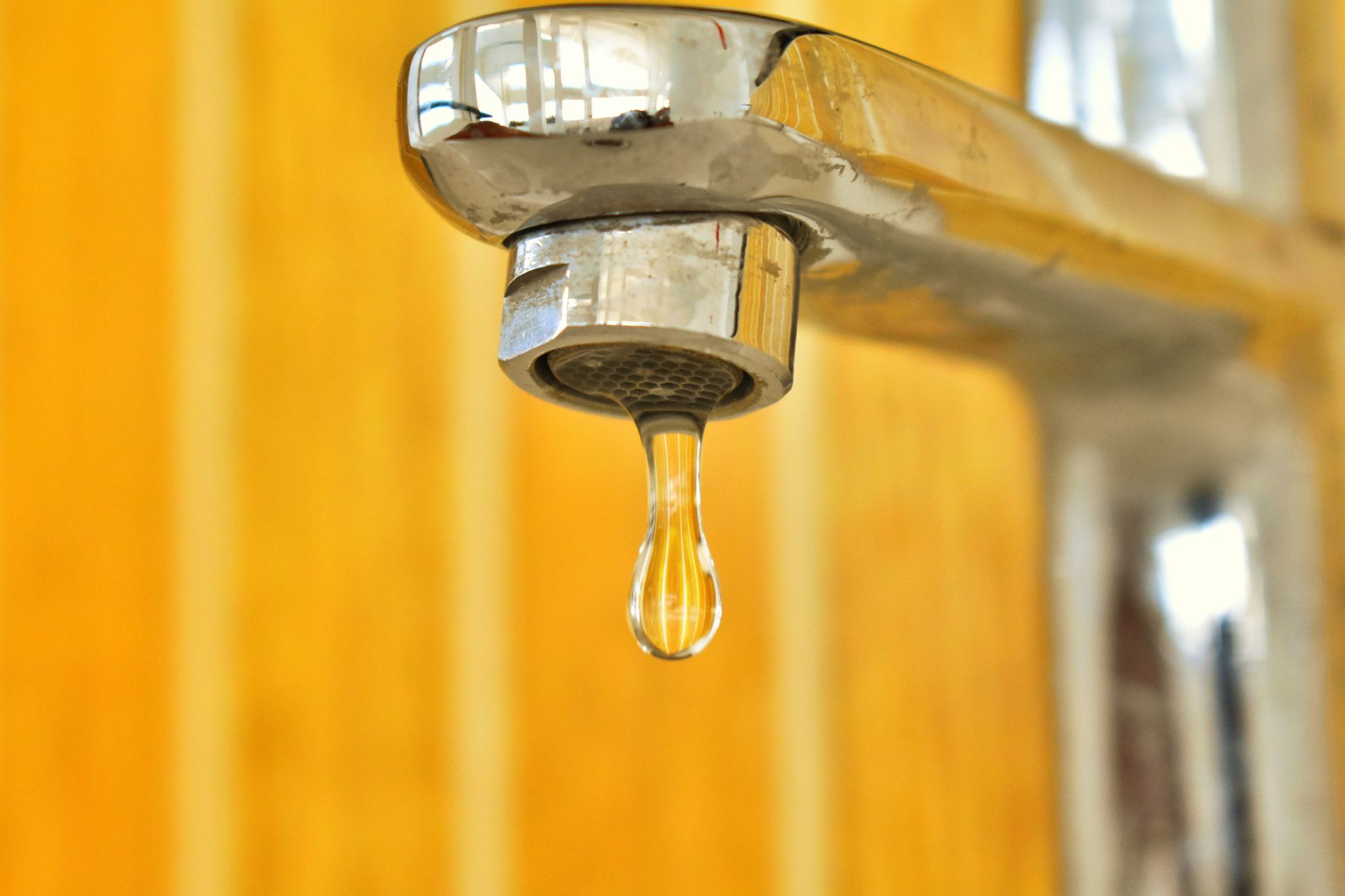
When a hard freeze or cold snap hits, two habits prevent most disasters. Let a faucet drip — a pencil-thin trickle on the taps fed by vulnerable pipes keeps water moving and relieves the pressure that actually bursts pipes. And open cabinet doors under sinks on exterior walls so household heat reaches the plumbing. If you travel, never set the thermostat below 55°F, and consider shutting off + draining the system if the house will be empty for a stretch.
If a pipe already froze
No water from a faucet on a cold morning usually means a frozen pipe — act before it bursts. Open the faucet (so melting water can escape and relieve pressure), then warm the frozen section gently with a hair dryer, a space heater, or towels soaked in hot water, working from the faucet end back. Never use an open flame or torch — it can burst the pipe or start a fire. If you can't reach it or it's already leaking, shut off the main and call a plumber.
Pair this with our draft-proofing checklist and sprinkler winterizing guide for the full cold-weather prep.
More home & yard tips
Practical, seasonal how-tos — and free calculators for every project.