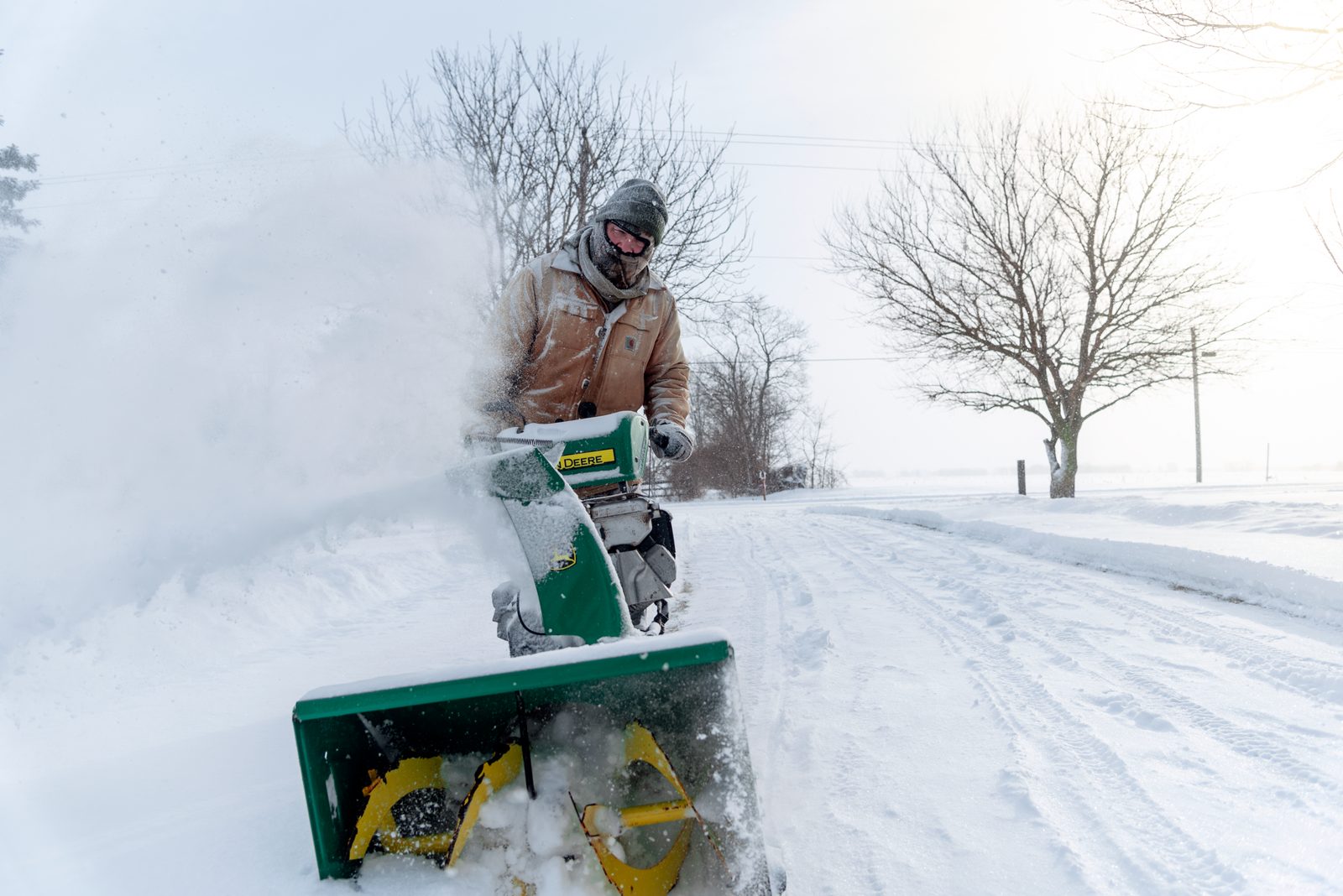
The best time to get ready for snow is before it’s on the ground — when the gear is in stock and cheap. Here’s how to choose a shovel or blower, which ice melt actually works in the cold, and how to clear snow without hurting your back.
Prep before the first storm
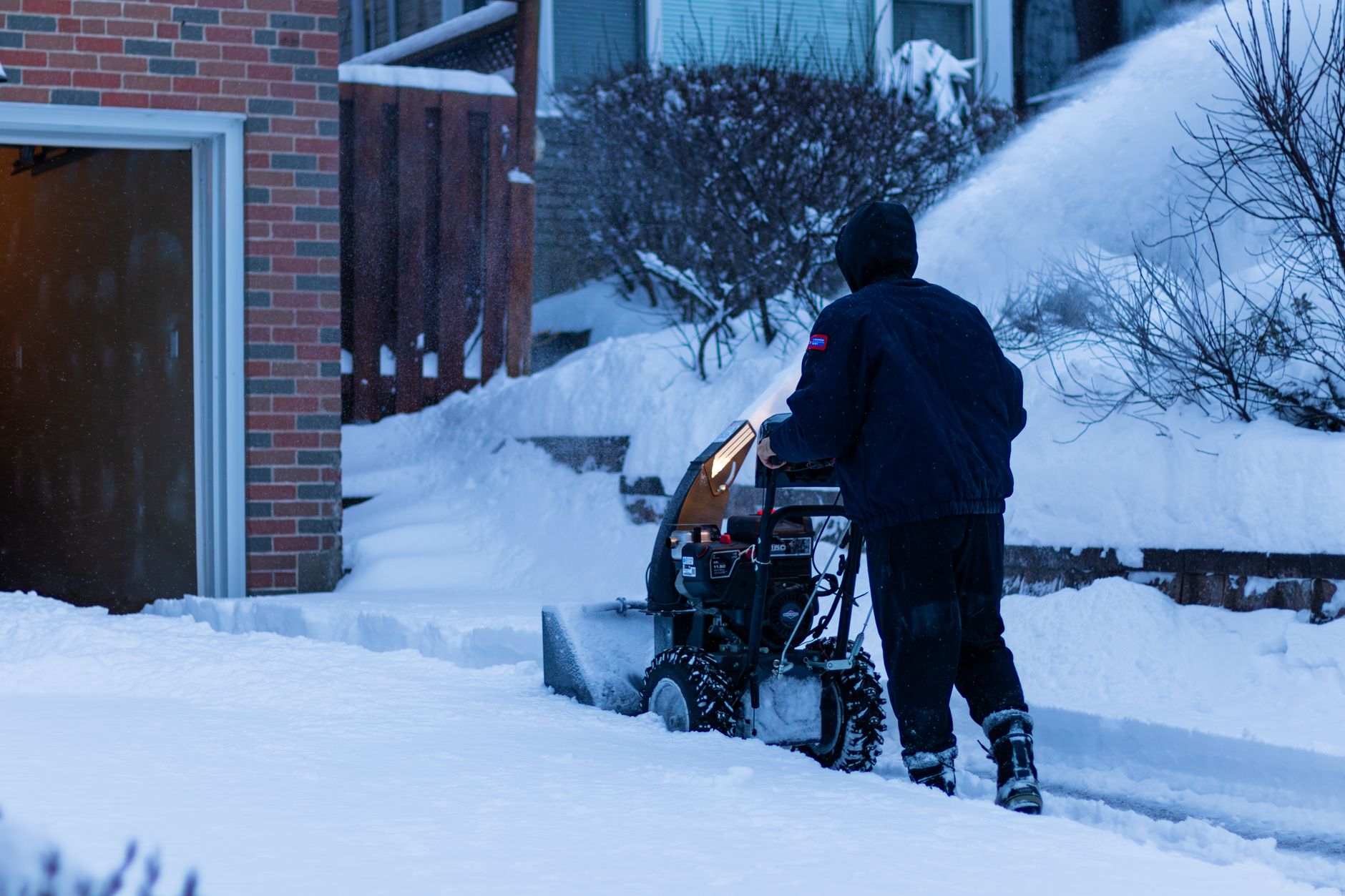
The worst time to figure out your snow plan is at 6 a.m. with eight inches on the driveway and a dead snowblower. Do it now: service or buy your equipment, stock ice melt before the pre-storm rush empties the shelves, and know your plan for the heavy stuff. A little prep in the fall turns every storm from a scramble into a routine.
Shovel, blower, or both?
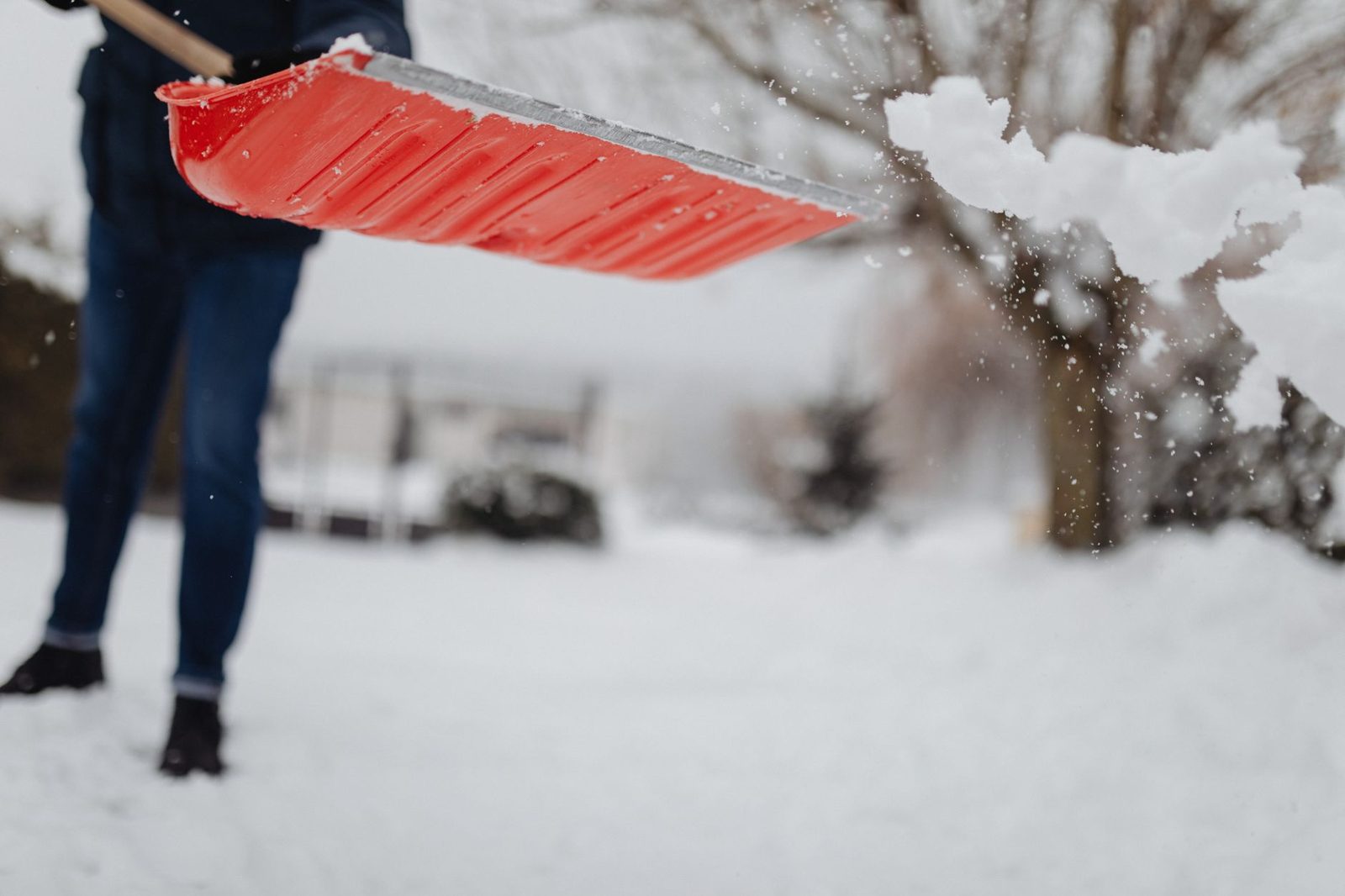
Match the tool to your driveway. For a short walk or small drive, a good ergonomic (bent-handle) snow shovel or a push/pusher is all you need — and it’s far easier on your back than a straight shovel. For anything bigger, or if you’re not up for the workout, a snow blower is the upgrade: single-stage for lighter snow and paved drives, two-stage for deep snow, gravel, and slopes. Buy in fall — they sell out and jump in price the second a big storm is forecast.
As an Amazon Associate, Clearly earns from qualifying purchases — at no extra cost to you.
Ice melt, salt, and traction
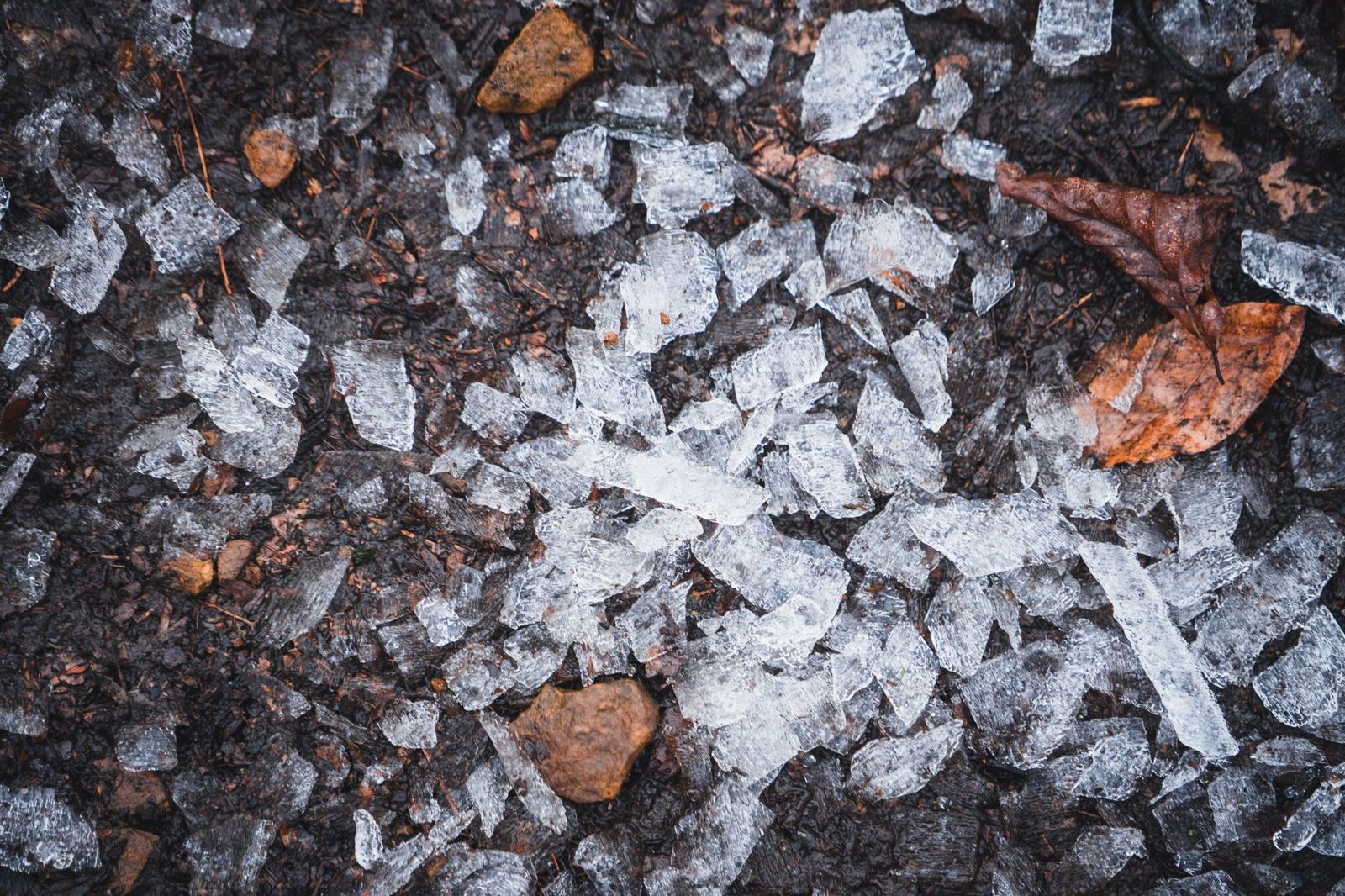
Keep a bag or two of de-icer on hand before the storm. Plain rock salt (sodium chloride) is cheapest but stops working around 15°F and is hard on concrete, plants, and pets. Calcium chloride or a blended “ice melt” works in far colder temps and is gentler on surfaces. A broadcast spreader lays it evenly, and a bucket of sand adds instant traction on steps and walkways without any chemical at all.
As an Amazon Associate, Clearly earns from qualifying purchases — at no extra cost to you.
Technique that saves your back (and heart)
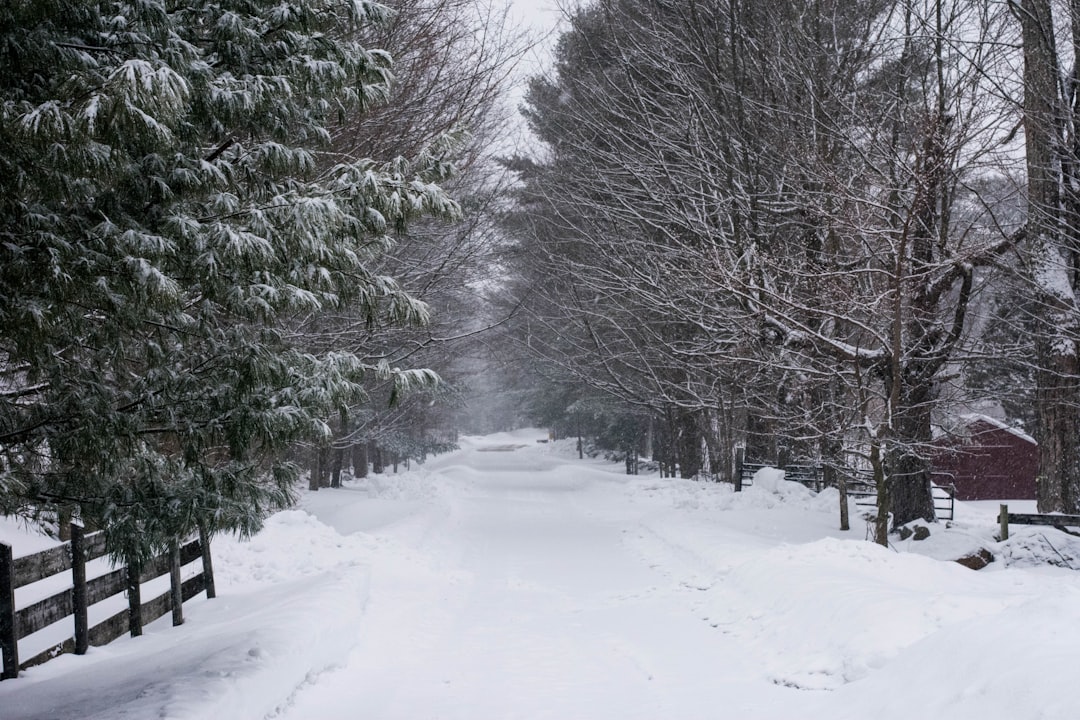
Snow shoveling sends people to the ER every winter — work smart. Clear early and often: two passes during a storm beats one deep dig after. Push, don’t lift when you can; when you must lift, bend the knees, keep loads small, and never twist to throw. Pre-treat the driveway and walks with a light de-icer or brine before snow falls so it doesn’t bond to the surface. Take breaks, and if shoveling ever brings on chest tightness, stop.
Round out the winter kit
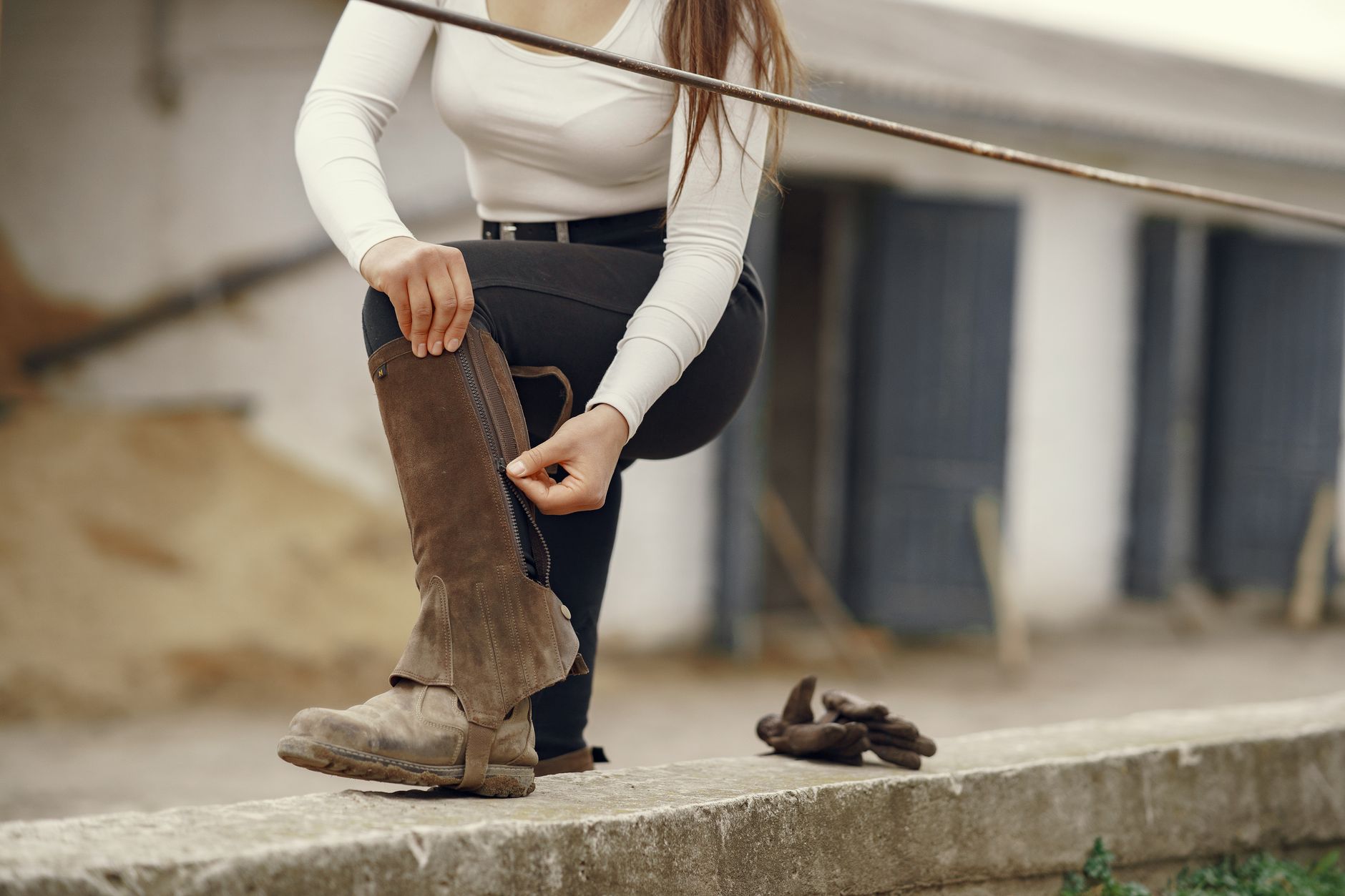
A few extras make winter smoother: driveway markers so you (and the plow) can see the edges under snow, a roof rake to pull heavy snow off the eaves and head off ice dams, traction mats or sand for a car that gets stuck, and no-slip ice cleats for your boots. Keep the good gloves, hat, and layers by the door. Stash it all in the garage now and you’re ready before the first flake.
As an Amazon Associate, Clearly earns from qualifying purchases — at no extra cost to you.
More home & yard tips
Practical, seasonal how-tos — and free calculators for every project.