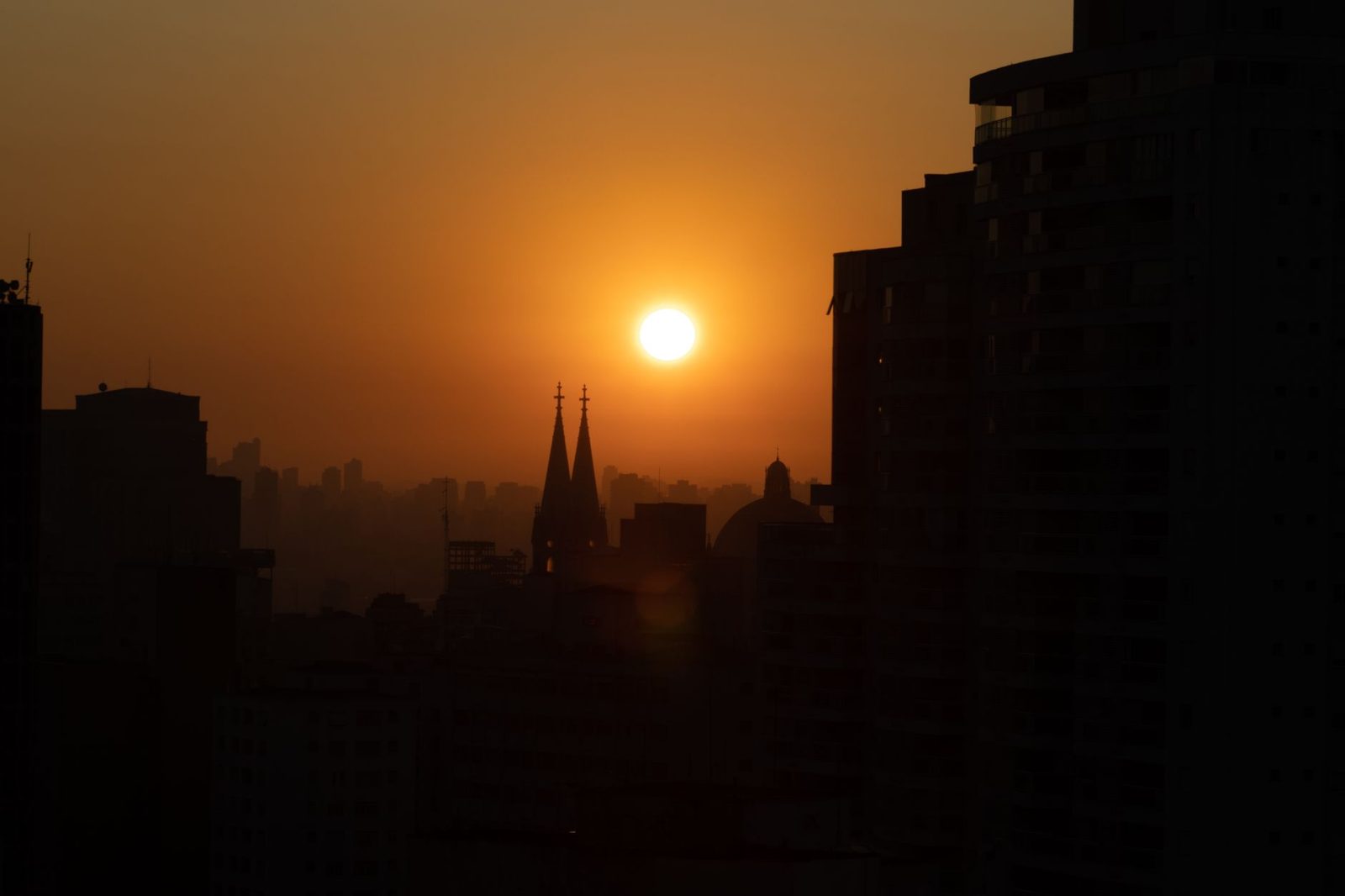
When wildfire smoke drifts in, the air outside can turn genuinely hazardous — but a handful of steps keep the air you breathe clean. Here’s the full guide: reading the AQI, sealing and filtering your home, masking up properly, protecting the people most at risk, and the numbers to keep handy.
Please note: This is general guidance, not medical advice, and not a substitute for professional care. Always consult your physician, veterinarian, or another licensed professional about your specific situation. In an emergency, call 911.
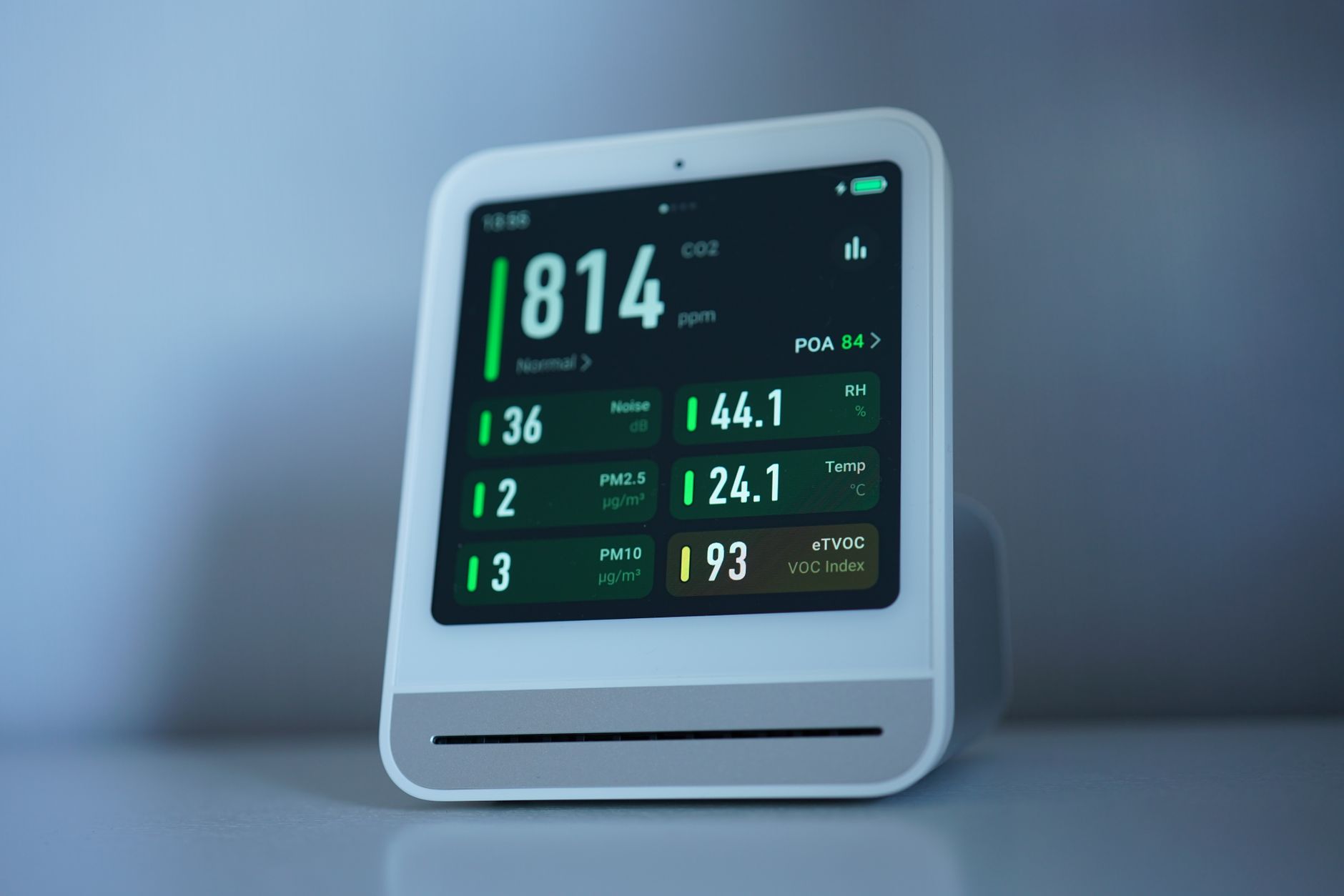
Check the air quality index (AQI) first
When wildfire smoke arrives, check the Air Quality Index for your area at AirNow.gov or your weather app before you plan your day. The smoke’s fine particles (PM2.5) reach deep into the lungs and bloodstream. Here’s what the color bands mean:
- Green (0–50) — good; Yellow (51–100) — okay for most
- Orange (101–150) — unhealthy for sensitive groups; they should limit time outside
- Red (151–200) — unhealthy for everyone; cut outdoor activity
- Purple (201–300) & Maroon (301+) — very hazardous; stay indoors
See your real-time AQI and the smoke-plume forecast at fire.airnow.gov. Current coverage: CNN · Washington Post.

Keep the smoke out of your home
Your home is your clean-air refuge — seal it up on smoky days.
- Close all windows and doors; weatherstrip obvious gaps
- Run central AC/HVAC on recirculate (close the fresh-air intake); use a MERV 13 filter
- Set your car to recirculate too when driving
- Avoid adding indoor pollution: no candles, frying, vacuuming, smoking, or wood/gas fires
- Pick one room to keep cleanest — ideally one you can also keep cool
As an Amazon Associate, Clearly earns from qualifying purchases — at no extra cost to you.
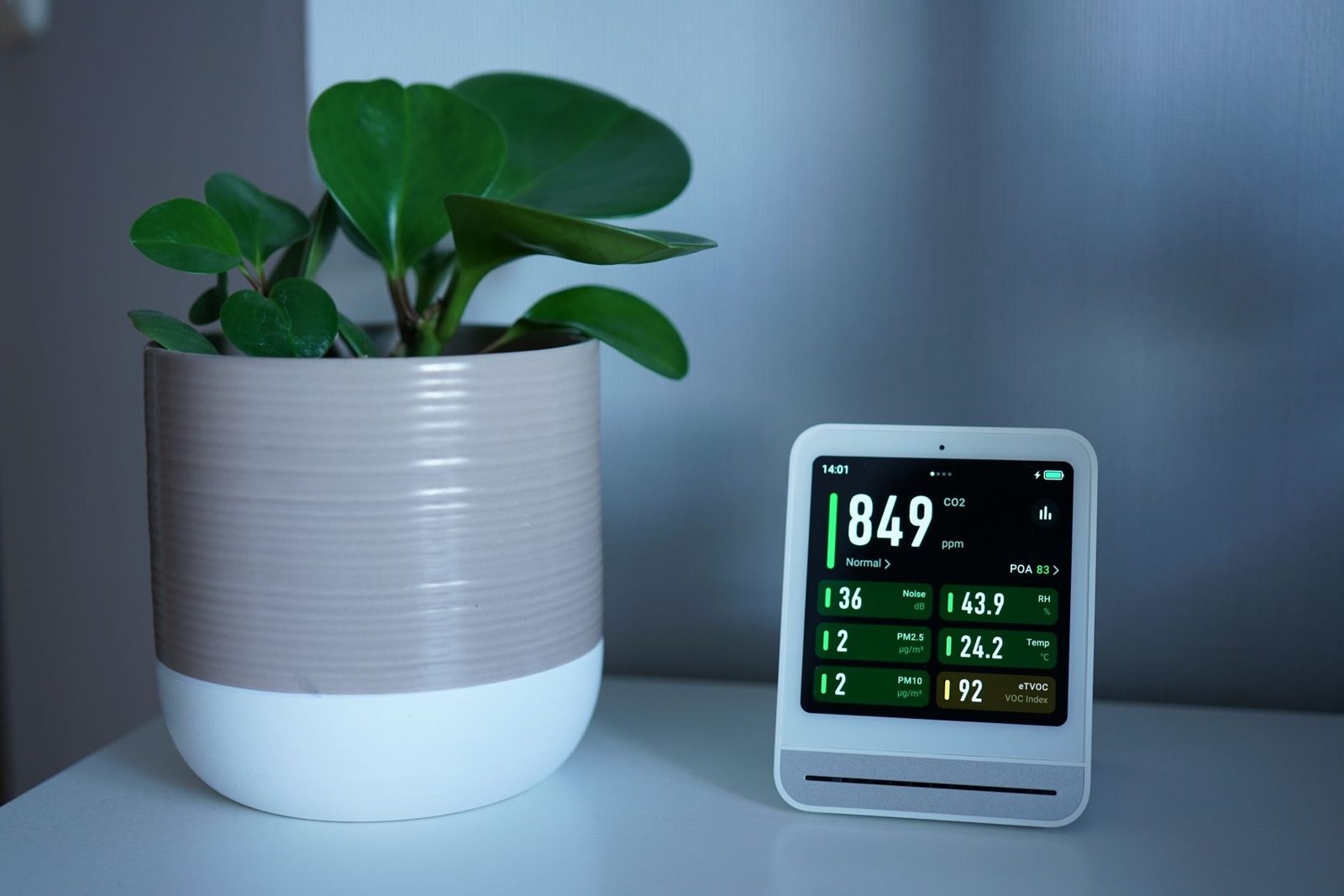
Clean your indoor air (HEPA or DIY)
Even sealed up, some smoke gets in — a cleaner pulls it back out.
- Run a HEPA air purifier sized to the room, in the bedroom or wherever you spend the most time
- No purifier? Build a DIY box-fan filter: tape a MERV 13 furnace filter to the back of a box fan (airflow arrow pointing into the fan) — cheap and genuinely effective
- Change filters more often during a long smoke event
- Keep humidity moderate; a damp cloth helps settle dust when it’s safe to clean
As an Amazon Associate, Clearly earns from qualifying purchases — at no extra cost to you.
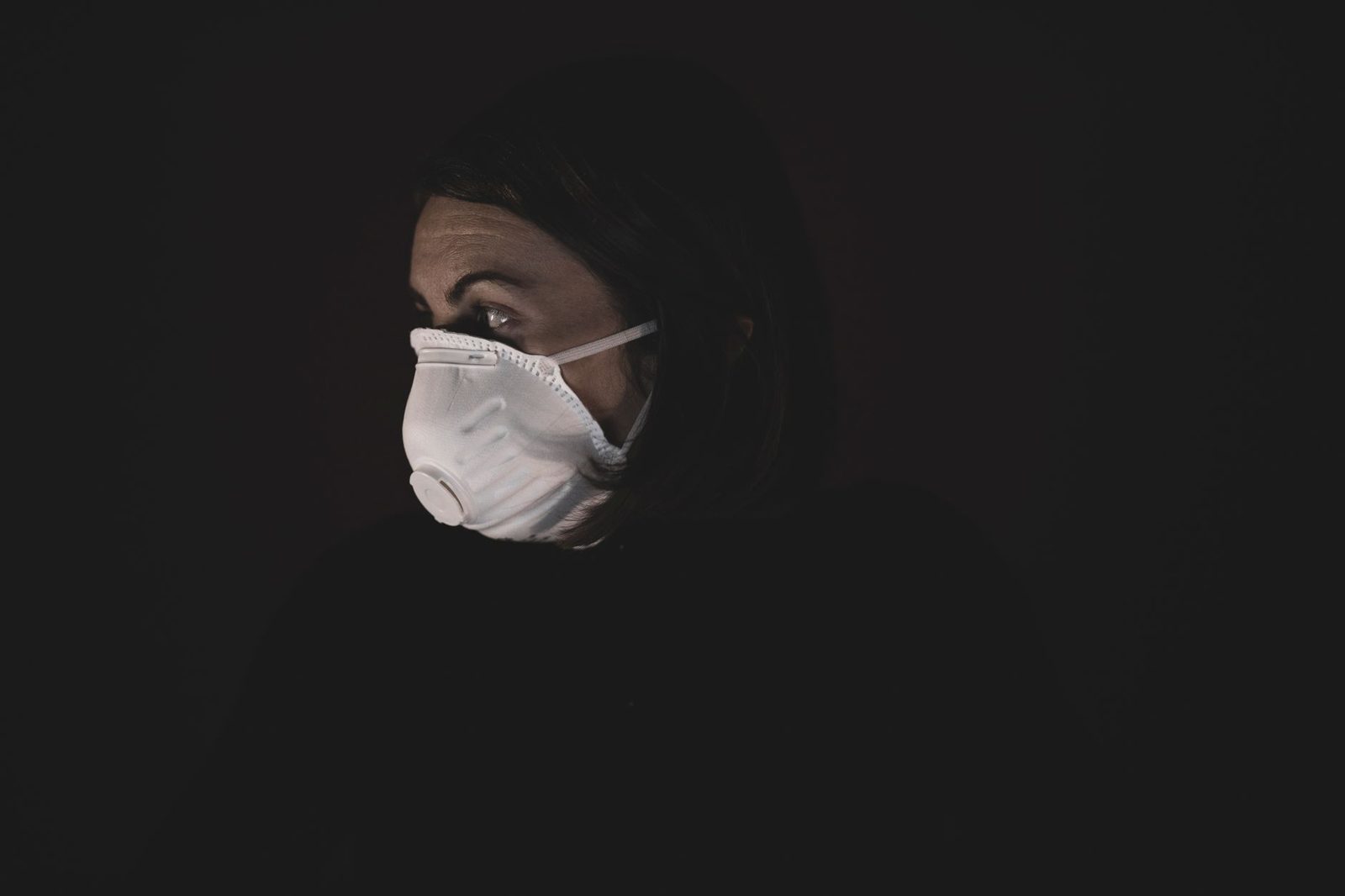
Mask up correctly when you must go out
Cloth and surgical masks do not filter fine smoke particles.
- Wear a well-fitting N95 or KN95 respirator; it must seal to your face with no gaps
- Skip strenuous activity outdoors — exercise drives the particles deeper
- Keep trips short and windows up; run the car on recirculate
- Take out contact lenses if your eyes are irritated; use lubricating drops
As an Amazon Associate, Clearly earns from qualifying purchases — at no extra cost to you.

Protect the vulnerable — and know the red flags
Smoke hits some people much harder. Take extra care of:
- People with asthma or COPD (keep rescue inhalers stocked), heart disease
- Pregnant people, infants, young children, and older adults
- Pets — keep them indoors and skip long walks
trouble breathing, chest pain or tightness, a fast or irregular heartbeat, dizziness, or a severe worsening cough. Call 911 for severe shortness of breath. Wildfire smoke can trigger heart attacks and asthma attacks — don’t wait it out.

Emergency numbers & resources
- 911 — severe breathing trouble, chest pain, or any emergency
- Poison Control: 1-800-222-1222 — smoke/CO exposure questions
- Disaster Distress Helpline: 1-800-985-5990 — free, 24/7 support for stress from wildfires and disasters (call or text)
- Live AQI & smoke map: fire.airnow.gov · AirNow.gov
- Current coverage: CNN · Washington Post
More home & yard tips
Practical, seasonal how-tos — and free calculators for every project.