Extreme heat is the deadliest kind of weather — and almost all of it is preventable. Here’s the full playbook: how to tell when heat turns dangerous, hydrate and cool down properly, look out for the people most at risk, and the emergency numbers to have ready.
Please note: This is general guidance, not medical advice, and not a substitute for professional care. Always consult your physician, veterinarian, or another licensed professional about your specific situation. In an emergency, call 911.

Know the warning signs — and when it’s a 911 emergency
Extreme heat kills more Americans in a typical year than hurricanes, floods and tornadoes combined — and nearly all of it is preventable. Heat illness climbs in stages, so learn to catch it early.
Heat cramps / heat exhaustion — act now, before it worsens:
- Heavy sweating, cold or clammy skin
- Muscle cramps
- Dizziness, headache, nausea
- Weakness, fast but weak pulse
- Fainting feeling
Get the person to a cool place, have them sip water, loosen clothing, and cool the skin with wet cloths. If they’re vomiting or not improving in an hour, get medical help.
Warning signs: body temperature above ~103°F, hot red, dry or damp skin, a fast strong pulse, confusion, slurred speech, seizures, or passing out. While you wait for help: move them to shade or AC and cool them fast — cool bath or shower, wet cloths, or ice packs at the neck, armpits and groin. Do not give fluids to someone who isn’t fully awake and alert.

Hydrate the right way
By the time you feel thirsty, you’re already behind. Drink on a schedule during a heat wave.
- Sip water steadily all day — roughly a cup every 15–20 minutes during heavy activity or heat
- On sweaty days, add an electrolyte mix to replace lost salts
- Avoid alcohol and go easy on heavy caffeine and sugary drinks — they dehydrate you
- Eat water-rich foods (fruit, salads) and lighter meals
- If you take water pills or are on a fluid-restricted diet, ask your doctor how much to drink in heat
As an Amazon Associate, Clearly earns from qualifying purchases — at no extra cost to you.
Get cool and stay cool
Your body needs real relief from the heat for a few hours a day.
- Spend the hottest hours in air conditioning — home, a friend’s, a library, a mall, or an official cooling center (dial 211 to find one)
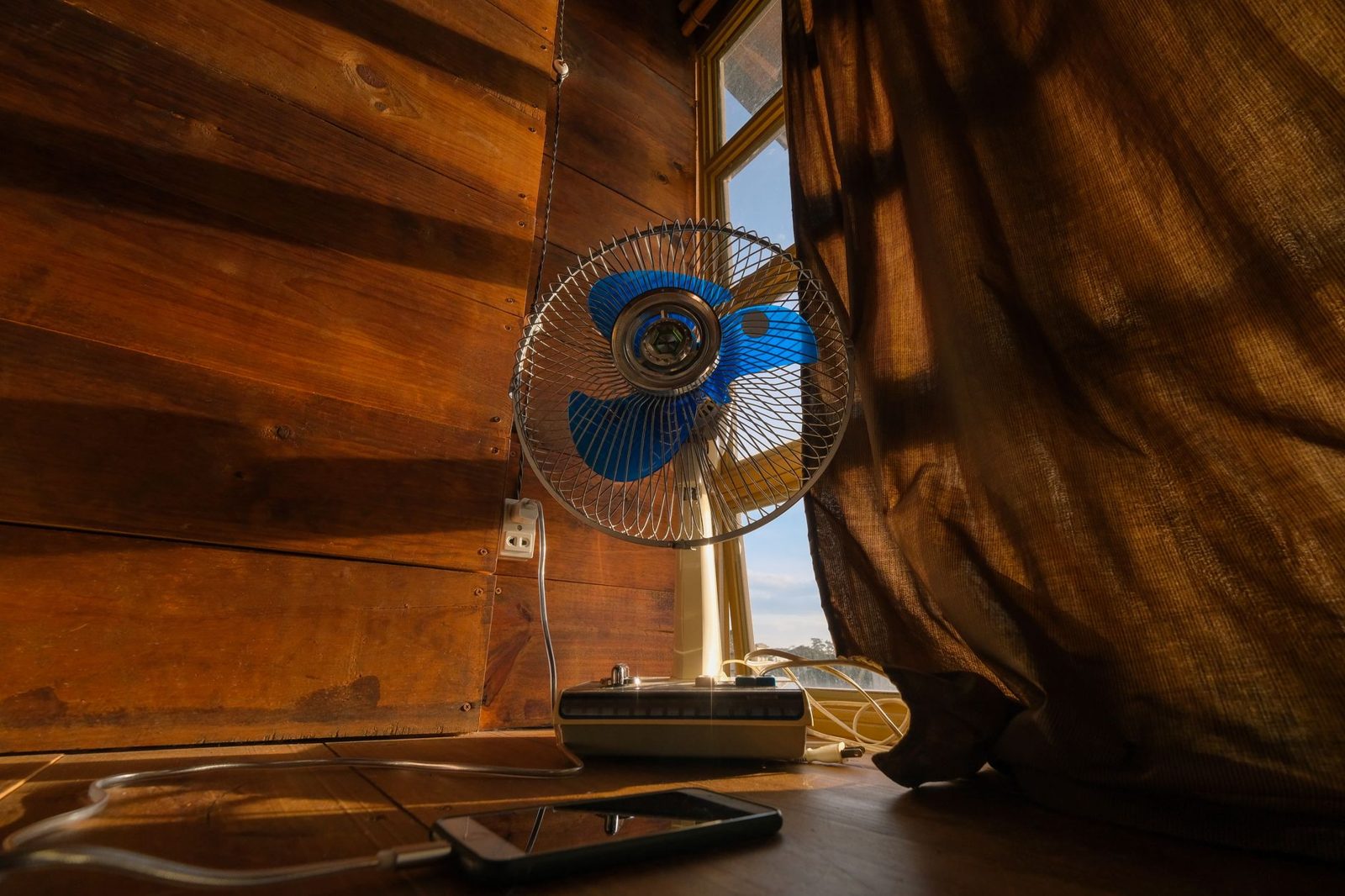
- When it’s very hot, a fan alone won’t prevent heat illness — pair it with a cool shower, damp cloths, or AC
- Take cool showers or baths; put a damp towel on the neck and wrists
- Close blinds and curtains on the sunny side by day; open up overnight if it cools
- Set up one room you can keep cool with a window unit or portable AC and retreat there
As an Amazon Associate, Clearly earns from qualifying purchases — at no extra cost to you.

Check on the people (and pets) most at risk
Heat is far more dangerous for some — check on them twice a day during a heat wave.
- Older adults and people who live alone
- Infants and young children
- People with heart disease, lung conditions, diabetes or on certain medications
- Anyone without air conditioning
- Outdoor workers and athletes
Not a child, not an older adult, not a pet — not even for a minute with the windows cracked. A car interior can climb past 120°F within minutes and turn deadly. This is the single most common heat tragedy, and it is 100% preventable.

Plan the day around the heat
Work with the heat, not against it.
- Move outdoor work and exercise to early morning or after sunset; skip midday sun
- Wear loose, light-colored, lightweight clothing and a wide-brimmed hat
- Take frequent shade and water breaks; use the buddy system for outdoor jobs
- Never push through dizziness, a pounding headache, or nausea — stop and cool down
- Check the forecast for Heat Advisories and Excessive Heat Warnings
Emergency numbers & where to check
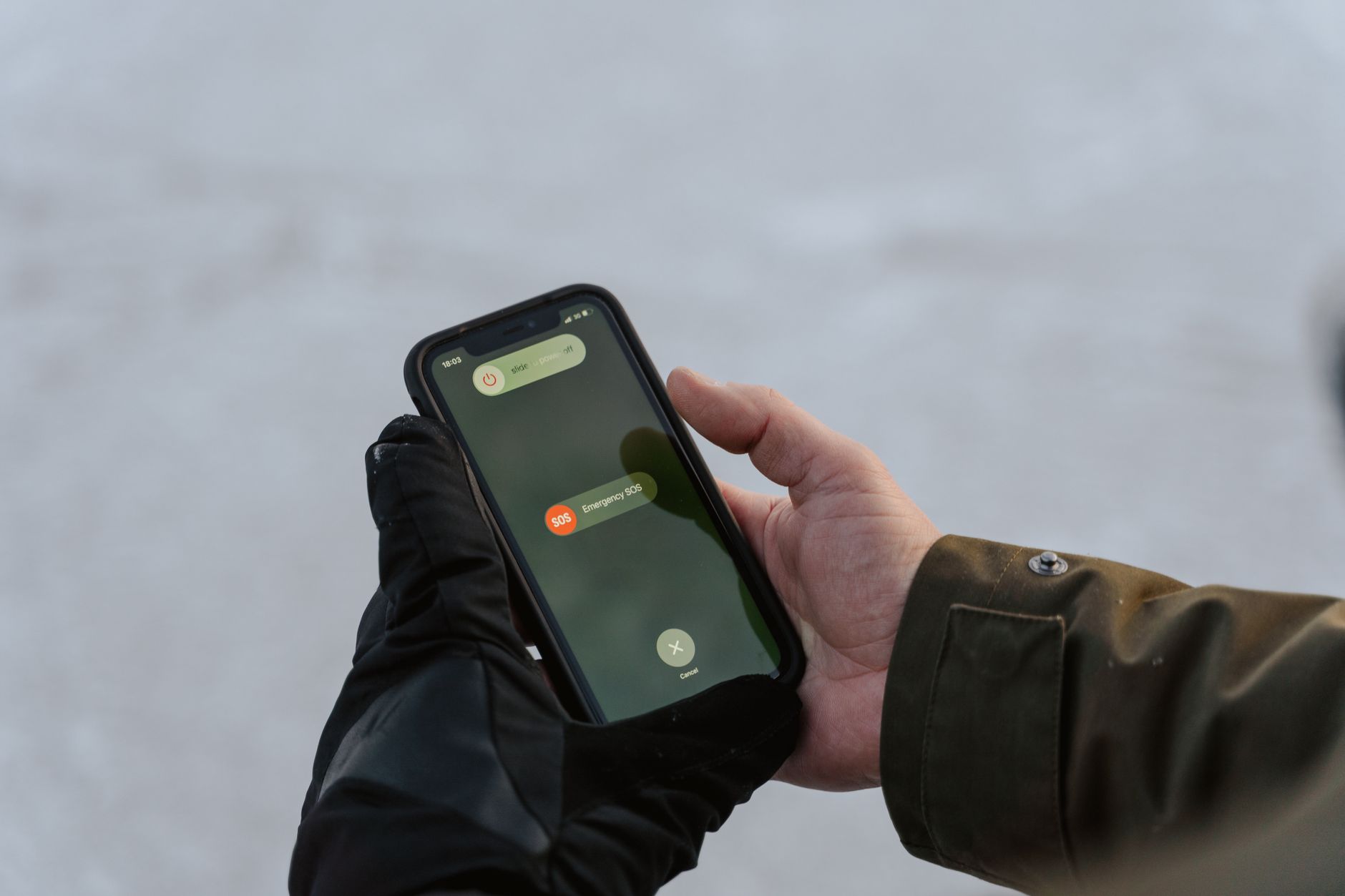
- 911 — heat stroke or any medical emergency
- Dial 211 — find local cooling centers & help (United Way, free)
- Poison Control: 1-800-222-1222 — medication + heat concerns
- Heat safety guidance: weather.gov/safety/heat · ready.gov/heat
- Current heat & smoke coverage: CNN · Washington Post
More home & yard tips
Practical, seasonal how-tos — and free calculators for every project.