
A thin, patchy lawn doesn’t need a full tear-out. Overseeding drops fresh seed straight into the lawn you already have and fills the bare spots back in. Get the timing and the prep right and a tired lawn comes back thick.

Time it right: late summer to early fall
For cool-season grass across most of the North, the window is late August through September — the soil is still warm for fast germination, the air is cooling, and summer weeds are fading. In the South, overseed with ryegrass in fall for winter color. Either way, give new grass 6–8 weeks to root before the first hard frost.
Prep so the seed reaches soil
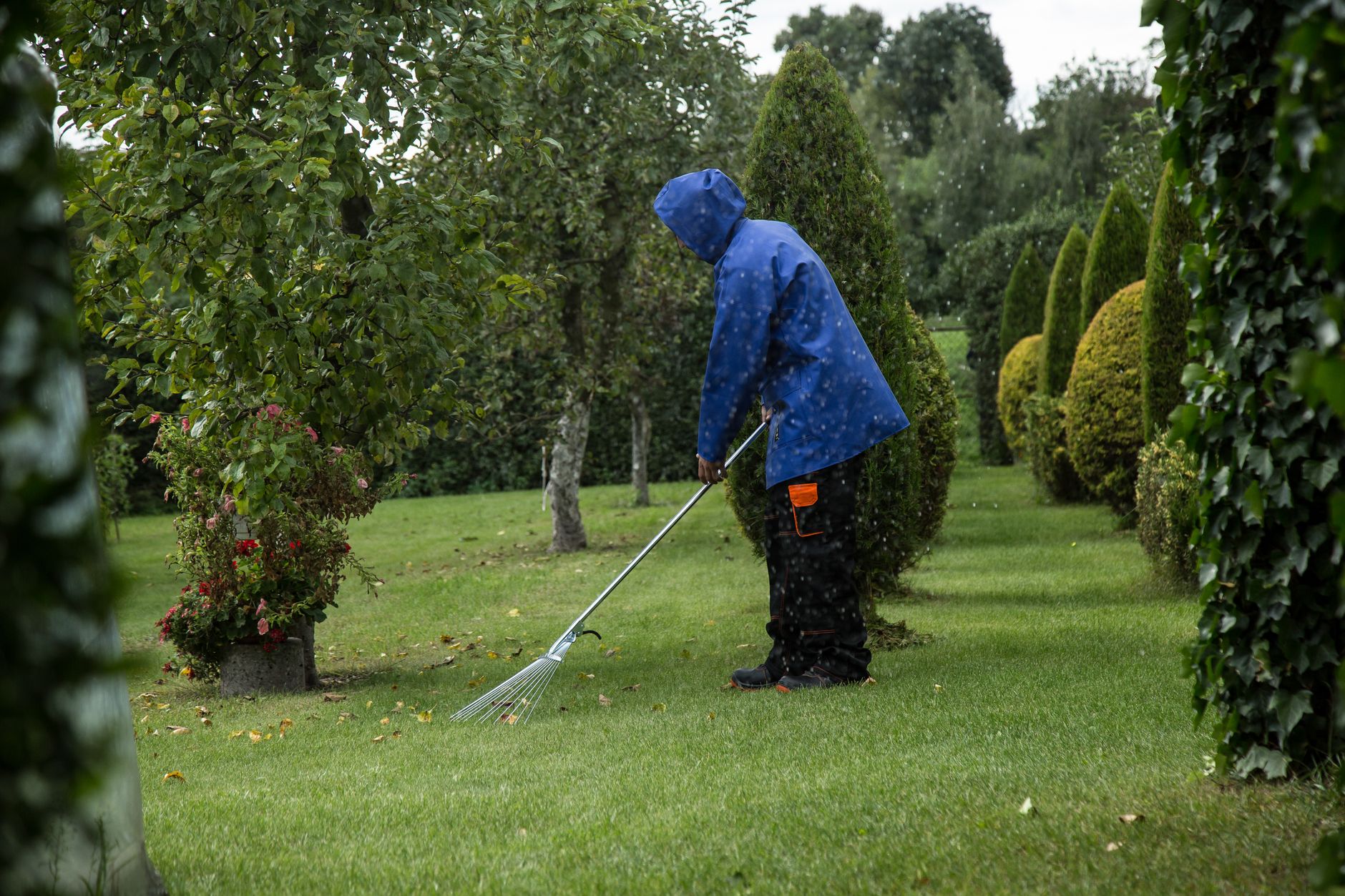
Seed has to touch dirt to sprout — dropping it on top of thatch is wasted money. Mow low (about 2 inches) and bag the clippings, then rake hard to pull thatch and rough up the surface. For compacted or heavily walked areas, run a core aerator first; the holes open the soil and cradle the seed.
Pick the right seed and spread it evenly
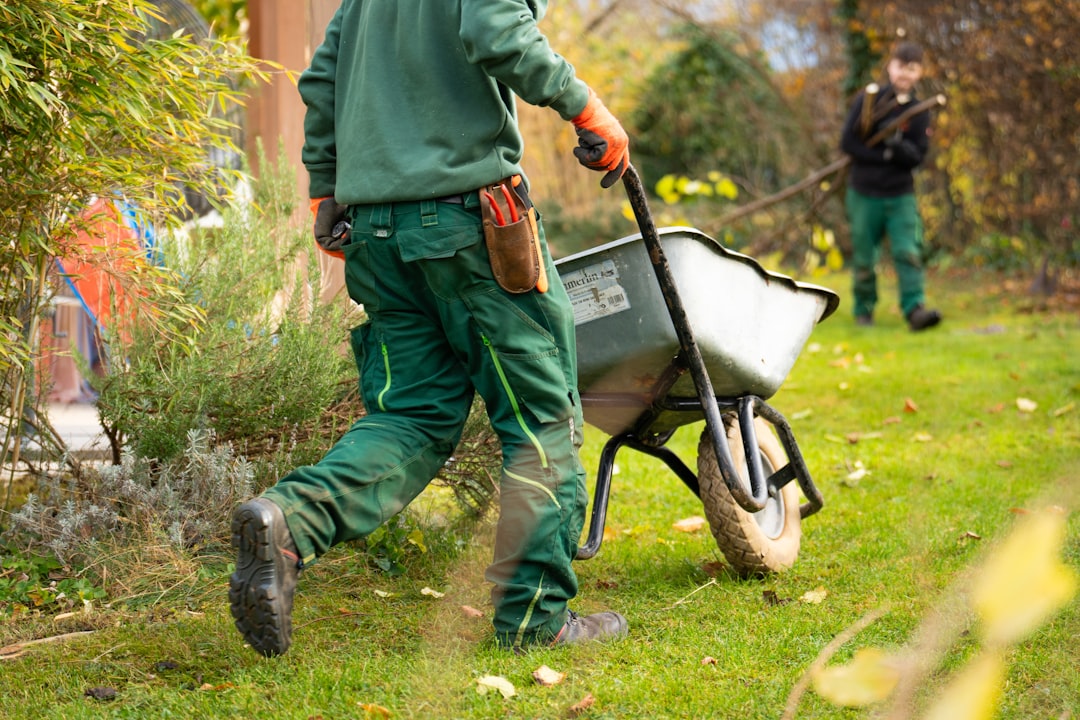
Match the seed to your yard — a sun-and-shade tall fescue mix, or a Kentucky bluegrass and ryegrass blend for the North. Set a spreader to the bag’s overseeding rate (not the heavier new-lawn rate); piling seed on doesn’t help and just wastes it. A thin topdressing of compost helps hold seed to the soil.

Keep it moist until it’s up
This is where most overseeding fails. New seed has to stay consistently damp — a light watering once or twice a day for 2–3 weeks, not one deep soak. Once the seedlings reach mowing height, taper back to deep, infrequent watering to drive roots down. Hold off on any weed-and-feed until you’ve mowed the new grass three or four times.
As an Amazon Associate, Clearly earns from qualifying purchases.
How much seed do you need?
Measure your lawn in seconds with the free sod & seed calculator, then buy the right amount — no guessing, no waste.